
The Birth of Global Trade: The Chartering of the British East India Company
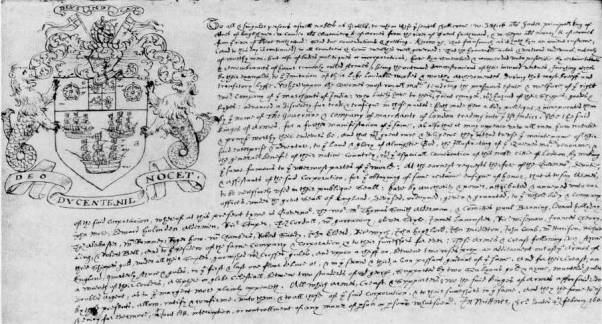
On December 31, 1600, an event occurred that would shape the course of global trade and colonialism—the chartering of the British East India Company. Queen Elizabeth I granted a royal charter to this ambitious venture, paving the way for one of the most influential trading companies in history.
Founding and Purpose: The British East India Company was established with the goal of facilitating trade between Britain and the East Indies. The charter granted the company a monopoly on English trade with the East, giving it exclusive rights to establish colonies, mint money, command fortresses, and even make war and peace in the regions where it operated.
Trade and Expansion: Over the centuries, the British East India Company became a dominant force in the global economy. It played a pivotal role in the spice trade, textile industry, and the opium trade with China. The company’s influence extended across India, where it became involved in politics and governance, ultimately contributing to the establishment of the British Raj.
Legacy and Impact: The legacy of the British East India Company is complex and multifaceted. While it undoubtedly played a crucial role in shaping the modern world through the exchange of goods, ideas, and cultures, it also left behind a legacy of imperialism, exploitation, and controversy.
Conclusion: The chartering of the British East India Company on December 31, 1600, marked a significant milestone in the history of global trade. The company’s impact on the world economy and its role in the history of imperialism make it a fascinating subject to explore, reflecting the complexities of the age of exploration and the birth of the modern world.
WARNING – TRIGGER WARNING – INVOLVES MASS SHOOTING, FIREARM INVOLVMENT -Remembering the Tragedy: The Las Vegas Mass Shooting of 2017
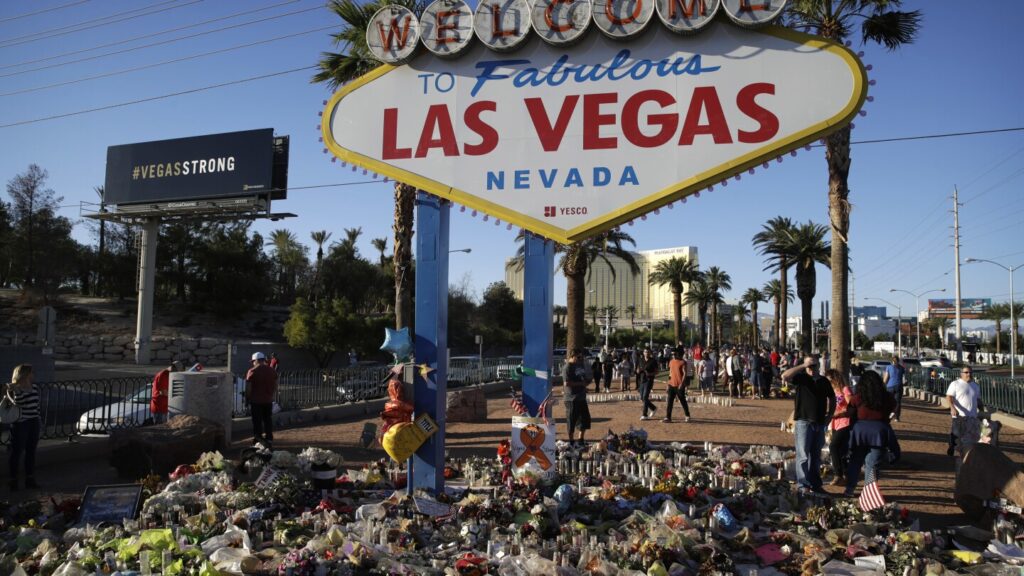
On the night of October 1, 2017, the city of Las Vegas, Nevada, was forever changed when a horrifying mass shooting unfolded during a music festival. This tragic event left 58 innocent people dead and hundreds more injured, standing as one of the deadliest mass shootings in the history of the United States. In this article, we reflect on the devastating incident, its impact on the nation, and the enduring call for unity, compassion, and change in the face of such tragedy.
The Night of Horror: A Music Festival Turned Nightmare
The Route 91 Harvest music festival, a celebration of music and camaraderie, turned into a scene of unimaginable horror as a lone gunman opened fire from a hotel room at the Mandalay Bay Resort and Casino. The rapid gunfire sent concertgoers fleeing for their lives, leaving a trail of devastation in its wake.
Loss and Grief: Remembering the Victims
The Las Vegas mass shooting claimed the lives of 58 people, each with their own dreams, aspirations, and loved ones. The victims hailed from different walks of life, united by their love for music and their shared experience that fateful night. Their loss sent shockwaves through communities across the country and around the world.
Injured and Traumatized: The Ongoing Impact
Hundreds of others were injured, some suffering from life-altering wounds and enduring physical and emotional scars. The survivors and their families continue to grapple with the trauma of that night, a reminder that the impact of such tragedies extends far beyond the immediate moment.
United in Resilience: Response and Solidarity
In the face of unspeakable tragedy, the people of Las Vegas, first responders, and communities across the nation came together to support the victims and their families. Acts of heroism, compassion, and resilience emerged in the aftermath of the shooting, showcasing the strength of the human spirit.
Calls for Change: Advocacy and Gun Control
The Las Vegas mass shooting reignited national conversations about gun control and safety measures to prevent such incidents. Advocates, survivors, and concerned citizens called for meaningful policy changes to address the issue of gun violence in the United States.
Conclusion: Remembering and Healing
The Las Vegas mass shooting of 2017 stands as a somber reminder of the devastating toll of gun violence in America. It is a tragedy that should never be forgotten, honoring the memory of the victims and inspiring continued efforts to prevent such horrors from happening again. As we remember the lives lost and those forever changed by this tragic event, we also hold onto the hope for a future where such incidents are prevented, and communities find healing and resilience in the face of adversity.
The Birth of Sonic Brilliance: Sony’s Breakthrough with the First Consumer CD Player in 1982

In the realm of technology and music, few milestones have been as transformative as the release of the first consumer Compact Disc (CD) player in 1982 by Sony. This groundbreaking invention marked a seismic shift in the way music was distributed and played, forever altering the landscape of the music industry and the way people experienced their favorite tunes. In this article, we’ll journey back in time to explore Sony’s pioneering achievement in 1982, the advent of the CD player, and its profound impact on music enthusiasts and the broader world of technology.
The Analog Era: The Quest for Better Sound
Before the CD player, music aficionados relied on vinyl records and cassette tapes for their auditory pleasures. While these formats had their charms, they were susceptible to wear and tear, scratching, and audio degradation over time. Music lovers craved a more reliable and high-fidelity listening experience.
Digital Revolution: The Birth of the Compact Disc
The development of the Compact Disc (CD) was a watershed moment in audio technology. CDs stored music digitally, with sound converted into a series of binary numbers. This digital format offered several advantages, including pristine audio quality, durability, and the ability to jump to specific tracks with ease.
Sony’s Innovation: The First Consumer CD Player
In 1982, Sony released the CDP-101, the world’s first consumer CD player. This sleek and futuristic device, which used a laser to read the digital data on CDs, signaled a revolution in how people enjoyed music. The CDP-101 was a remarkable leap forward in audio technology, offering crystal-clear sound and an end to the pops and crackles of analog records.
A Changing Landscape: The CD’s Impact on Music and Beyond
The introduction of the CD player had far-reaching consequences. The music industry underwent a massive shift, as record labels began releasing albums on CDs alongside vinyl records. The compact size and durability of CDs made them a hit with consumers, and the digital format allowed for the inclusion of bonus tracks, enhanced graphics, and more.
Legacy and Evolution: The CD Player’s Ongoing Influence
While digital music streaming and downloading have become increasingly popular in recent years, the CD player’s legacy endures. Many audiophiles still value the superior sound quality of CDs, and the format remains a physical collector’s item for music enthusiasts.
Conclusion: A Sonic Revolution
The release of Sony’s first consumer CD player in 1982 marked the beginning of a sonic revolution. It transformed the way music was distributed, enjoyed, and preserved, leaving an indelible mark on the world of technology and the music industry. As we reflect on this pioneering achievement, we are reminded of the power of innovation to redefine the boundaries of what is possible, forever changing the way we experience the beauty of music.
The Magic Begins: Walt Disney World Resort’s Enchanting Opening in 1971
In the world of entertainment and imagination, few names shine as brightly as Walt Disney. His vision of enchanting experiences and fantastical worlds found its most ambitious manifestation in 1971 when the Walt Disney World Resort opened its doors in Orlando, Florida. This momentous event marked the beginning of a new era in theme park entertainment and family vacations. In this article, we’ll journey back in time to explore the captivating story of Walt Disney World’s grand opening in 1971 and its enduring impact on the world of entertainment.
Dreams Take Shape: The Vision of Walt Disney
Walt Disney, the creative genius behind iconic characters like Mickey Mouse and beloved films like “Snow White and the Seven Dwarfs,” had long harbored a dream of creating a place where families could immerse themselves in magical experiences. This dream gave birth to Disneyland in California, but Walt aspired for something even grander, leading to the creation of Walt Disney World in Florida.
The Birth of an Empire: Planning and Construction
The planning and construction of Walt Disney World in Orlando were monumental undertakings. The vast resort complex featured multiple theme parks, including the Magic Kingdom, EPCOT, Disney’s Hollywood Studios, and Disney’s Animal Kingdom. The resort also included resort hotels, golf courses, and a wide array of recreational activities. It was an endeavor on an unprecedented scale.
October 1, 1971: A Day of Magic
On October 1, 1971, the world watched in wonder as the Magic Kingdom, the centerpiece of Walt Disney World Resort, opened its gates for the very first time. The park’s iconic Cinderella Castle stood as a beacon of hope and happiness, inviting visitors to step into a world of enchantment.
The Disney Difference: Immersive Experiences and Innovation
Walt Disney World Resort was a pioneer in theme park entertainment. It introduced groundbreaking technologies and storytelling techniques that transported visitors to far-off lands, under the sea, and into outer space. The resort’s commitment to immersive experiences and attention to detail set a new standard for the industry.
Legacy and Enduring Magic
Over the decades, Walt Disney World Resort has continued to evolve and expand. It has become a cherished destination for families, a place where generations come together to create lasting memories. The resort’s commitment to innovation and storytelling has expanded to other Disney parks around the world, solidifying its place as a global entertainment phenomenon.
Conclusion: The Magic Lives On
The opening of Walt Disney World Resort in 1971 was not just the realization of Walt Disney’s dream; it was the birth of an enduring legacy. It’s a place where fantasy becomes reality, where joy and wonder are around every corner, and where the spirit of imagination continues to inspire new generations. As we look back on that magical day in 1971, we are reminded that the enchantment of Walt Disney World is timeless, and the magic lives on, ready to captivate the hearts of all who visit.
Title: “The Magic Begins: Walt Disney World Resort’s Enchanting Opening in 1971”
Introduction:
In the world of entertainment and imagination, few names shine as brightly as Walt Disney. His vision of enchanting experiences and fantastical worlds found its most ambitious manifestation in 1971 when the Walt Disney World Resort opened its doors in Orlando, Florida. This momentous event marked the beginning of a new era in theme park entertainment and family vacations. In this article, we’ll journey back in time to explore the captivating story of Walt Disney World’s grand opening in 1971 and its enduring impact on the world of entertainment.
Dreams Take Shape: The Vision of Walt Disney
Walt Disney, the creative genius behind iconic characters like Mickey Mouse and beloved films like “Snow White and the Seven Dwarfs,” had long harbored a dream of creating a place where families could immerse themselves in magical experiences. This dream gave birth to Disneyland in California, but Walt aspired for something even grander, leading to the creation of Walt Disney World in Florida.
The Birth of an Empire: Planning and Construction
The planning and construction of Walt Disney World in Orlando were monumental undertakings. The vast resort complex featured multiple theme parks, including the Magic Kingdom, EPCOT, Disney’s Hollywood Studios, and Disney’s Animal Kingdom. The resort also included resort hotels, golf courses, and a wide array of recreational activities. It was an endeavor on an unprecedented scale.
October 1, 1971: A Day of Magic
On October 1, 1971, the world watched in wonder as the Magic Kingdom, the centerpiece of Walt Disney World Resort, opened its gates for the very first time. The park’s iconic Cinderella Castle stood as a beacon of hope and happiness, inviting visitors to step into a world of enchantment.
The Disney Difference: Immersive Experiences and Innovation
Walt Disney World Resort was a pioneer in theme park entertainment. It introduced groundbreaking technologies and storytelling techniques that transported visitors to far-off lands, under the sea, and into outer space. The resort’s commitment to immersive experiences and attention to detail set a new standard for the industry.
Legacy and Enduring Magic
Over the decades, Walt Disney World Resort has continued to evolve and expand. It has become a cherished destination for families, a place where generations come together to create lasting memories. The resort’s commitment to innovation and storytelling has expanded to other Disney parks around the world, solidifying its place as a global entertainment phenomenon.
Conclusion: The Magic Lives On
The opening of Walt Disney World Resort in 1971 was not just the realization of Walt Disney’s dream; it was the birth of an enduring legacy. It’s a place where fantasy becomes reality, where joy and wonder are around every corner, and where the spirit of imagination continues to inspire new generations. As we look back on that magical day in 1971, we are reminded that the enchantment of Walt Disney World is timeless, and the magic lives on, ready to captivate the hearts of all who visit.
Emerging from Colonial Shadows: Nigeria’s Triumph in 1960
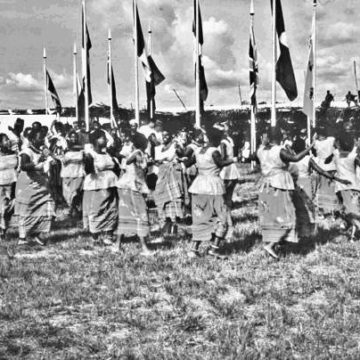
Few moments in history shine as brightly as the triumph of a nation gaining its independence. One such historic event occurred in 1960 when Nigeria emerged from the shadows of British colonial rule to become a sovereign nation. This significant achievement marked the culmination of decades of struggle, determination, and the unyielding spirit of the Nigerian people. In this article, we delve into the remarkable journey of Nigeria towards independence in 1960 and the profound impact it had on the nation and the African continent.
Colonial Legacy: Nigeria Under British Rule
For nearly a century, Nigeria, a diverse nation with a rich cultural tapestry, had been under British colonial rule. The colonial period brought both development and exploitation, shaping the socio-economic and political landscape of the region. As the 20th century progressed, calls for independence grew louder and more fervent.
The Road to Independence: A Struggle for Self-Determination
The path to independence was neither swift nor easy. Nigerian leaders and activists, including figures like Nnamdi Azikiwe, Obafemi Awolowo, and Ahmadu Bello, played pivotal roles in advocating for self-determination and unity among the country’s diverse ethnic groups. They organized movements, protests, and negotiations, pushing for the end of colonial rule and the establishment of a sovereign nation.
A Pivotal Year: 1960 – Nigeria’s Declaration of Independence
On October 1, 1960, the dream of a free and independent Nigeria became a reality. In a ceremony filled with hope and anticipation, Nigeria’s first Prime Minister, Sir Abubakar Tafawa Balewa, proclaimed the nation’s independence. The Union Jack was lowered, and Nigeria’s green-white-green flag was hoisted, symbolizing the birth of a new era.
Challenges and Triumphs: Forging a Nation
Independence brought with it a host of challenges, including the need to build a strong and united nation from the diverse ethnic and regional identities that comprised Nigeria. The nation grappled with issues of governance, democracy, and economic development, but through resilience and determination, Nigeria continued to progress.
Legacy and Pan-African Inspiration
Nigeria’s independence had a profound impact on the African continent. It inspired other nations across Africa to pursue their own journeys toward self-determination. Nigeria became a key player in the pan-African movement, supporting the decolonization efforts of other African nations and championing the cause of African unity.
Conclusion: The Flame of Independence
The year 1960 remains etched in the collective memory of Nigeria as a time when the nation took its destiny into its own hands. Nigeria’s journey to independence was a testament to the unwavering spirit of its people and the power of collective determination. As the nation continued to navigate the challenges of nation-building, it became a beacon of hope and inspiration for others on the African continent seeking to break free from the shackles of colonialism. The flame of independence that was kindled in 1960 continues to burn brightly, illuminating Nigeria’s path toward a brighter future.
The Birth of a Baseball Legacy: The Boston Red Sox and the 1903 World Series Triumph”
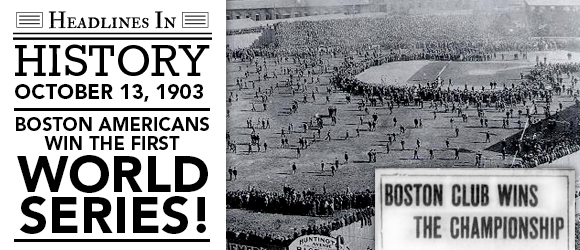
In the colorful tapestry of American sports history, few moments shine as brightly as the birth of the modern World Series in 1903. It was during this historic event that the Boston Red Sox, then known as the Boston Americans, etched their name into the annals of baseball glory. Facing off against the Pittsburgh Pirates in a best-of-nine series, the Red Sox achieved an iconic victory that laid the foundation for their legendary legacy. In this article, we’ll step back in time to explore the origins of the World Series and relive the Boston Red Sox’s remarkable triumph in 1903.
The Dawn of a New Tradition: The First World Series
At the turn of the 20th century, baseball had firmly established itself as America’s pastime. Yet, there was no championship series that pitted the champions of the American League against their National League counterparts. All of that changed in 1903 when the owners of the Boston Americans and the Pittsburgh Pirates agreed to participate in a postseason showdown to determine baseball supremacy.
Setting the Stage: A Battle of Titans
The Boston Americans, led by manager Jimmy Collins, boasted a strong roster featuring stars like Cy Young, the legendary pitcher, and Nap Lajoie, a feared hitter. On the other side, the Pittsburgh Pirates, managed by Fred Clarke, had their own share of baseball luminaries, including Honus Wagner and Deacon Phillippe.
The Best-of-Nine Showdown: A Thrilling Series
The 1903 World Series was a best-of-nine contest, a format chosen to ensure that the best team truly emerged victorious. In a fiercely competitive series, the Red Sox and the Pirates battled it out on the diamond. The games were marked by outstanding pitching performances, timely hitting, and dramatic moments that kept fans on the edge of their seats.
Red Sox Triumph: A Defining Moment in Baseball History
After eight hard-fought games, the Boston Red Sox emerged as the champions of the first modern World Series by defeating the Pittsburgh Pirates. Cy Young, true to his legendary status, played a pivotal role in securing victory for Boston. This victory not only marked a historic achievement for the Red Sox but also laid the groundwork for the enduring tradition of the World Series in American baseball.
Legacy and Impact: The Boston Red Sox Dynasty
The triumph of the Boston Red Sox in the 1903 World Series was just the beginning of a storied baseball dynasty. Over the years, the franchise would go on to win numerous World Series titles, becoming one of the most iconic and beloved teams in the history of the sport. The legacy of that inaugural victory in 1903 continues to resonate with fans and serves as a reminder of the enduring appeal of baseball.
Conclusion: A Triumph for the Ages
The 1903 World Series, which saw the Boston Red Sox crowned as champions, was a defining moment in the history of baseball. It marked the birth of a tradition that has captured the hearts of sports enthusiasts for over a century. The spirit of competition, the drama of the games, and the enduring legacy of the Red Sox’s victory in that first modern World Series continue to remind us of the timeless allure of America’s pastime.
The Louisiana Territory: A Strategic Shift in 1800 – Spain’s Cession to France
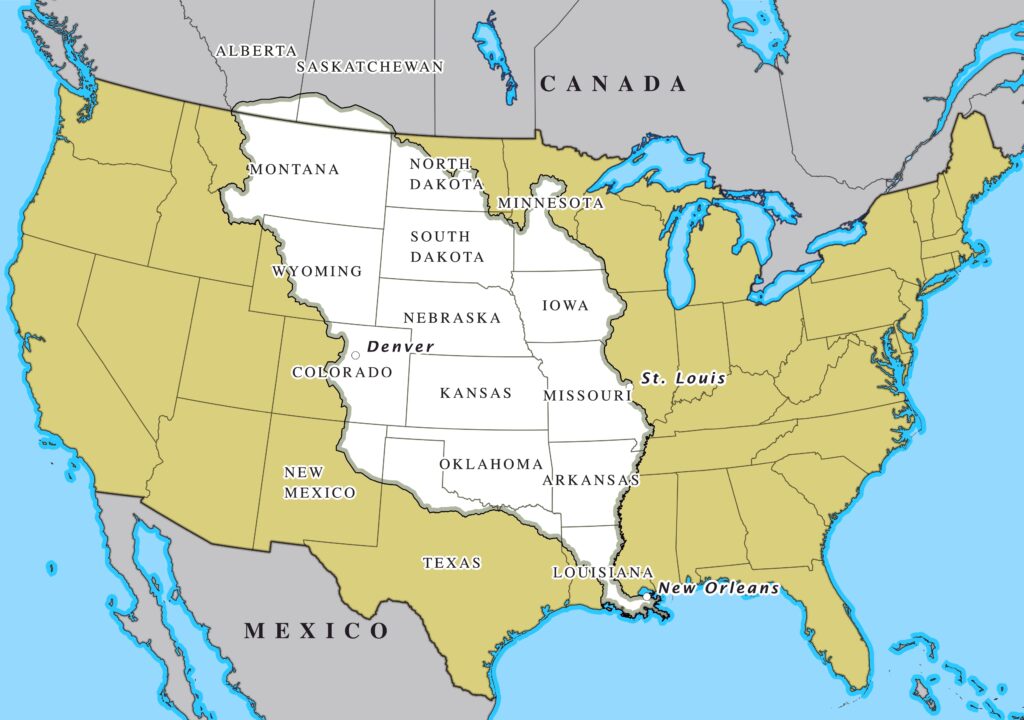
The transfer of territory has often been a catalyst for significant geopolitical changes. One such pivotal moment occurred in 1800 when Spain ceded the vast expanse of Louisiana to France through the Treaty of San Ildefonso. Little did they know that this seemingly obscure agreement would lay the groundwork for one of the most momentous land acquisitions in history—the Louisiana Purchase by the United States. In this article, we’ll delve into the circumstances surrounding Spain’s cession of Louisiana to France, its implications, and the chain of events that ultimately led to the United States doubling its territory.
The Louisiana Territory: A Prize Worth Pursuing
At the turn of the 19th century, the Louisiana Territory was a coveted region. Stretching from the Mississippi River to the Rocky Mountains and from the Gulf of Mexico to the Canadian border, it boasted fertile lands, thriving trade routes, and the crucial port city of New Orleans. Control over this vast territory held strategic importance for any nation aspiring to expand its influence in North America.
Spain’s Cession to France: The Treaty of San Ildefonso
In 1800, Spain, under the rule of King Charles IV, entered into the secret Treaty of San Ildefonso with France, led by Napoleon Bonaparte. This treaty involved the retrocession of Louisiana from Spain to France. The reasons behind this transfer were multifaceted. Napoleon saw Louisiana as a valuable asset for his ambitions in the New World, but it was also a way to compensate France for the loss of a key Caribbean colony, Santo Domingo (present-day Haiti), which had revolted and gained its independence.
The American Reaction: Concern and Negotiation
News of the Treaty of San Ildefonso reached the United States, then under the leadership of President Thomas Jefferson. The potential of a powerful France controlling the vital port of New Orleans and the entire Louisiana Territory alarmed American leaders. Access to the Mississippi River for trade was crucial to the young nation’s westward expansion, and the thought of French control threatened this lifeline.
The Louisiana Purchase: A Fortuitous Opportunity
Amidst this geopolitical uncertainty, an opportunity presented itself. In 1803, France, facing financial difficulties and military conflicts in Europe, offered to sell the entire Louisiana Territory to the United States. President Jefferson seized this golden opportunity, and after negotiation, the United States acquired the Louisiana Territory for $15 million, doubling the size of the nation.
Legacy and Impact: The United States Expands Westward
The Louisiana Purchase had profound and far-reaching consequences. It not only secured American control over the Mississippi River and New Orleans but also paved the way for westward expansion across the continent. The fertile lands of the Louisiana Territory fueled westward migration and economic growth, transforming the United States into an expansive nation.
Conclusion: A Twist of Fate That Shaped a Nation
The cession of Louisiana from Spain to France in 1800, followed by its sale to the United States, was a twist of fate that reshaped the course of American history. The Louisiana Purchase, born out of these diplomatic maneuvers, transformed the United States into a continental power and set the stage for its westward expansion and manifest destiny. It stands as a testament to the profound impact that international agreements and territorial transfers can have on the destiny of nations.
Conquest and Glory: Alexander the Great’s Triumph at the Battle of Gaugamela in 331 BC
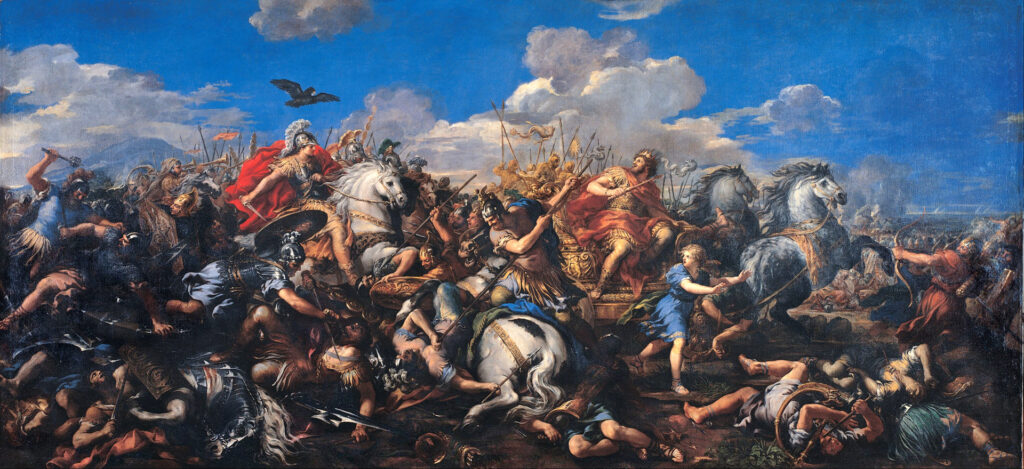
In the annals of history, few names shine as brightly as that of Alexander the Great. His conquests stretched across vast continents, leaving an indelible mark on the world. One of the most pivotal moments in his incredible journey occurred in 331 BC when he faced off against Darius III of Persia at the Battle of Gaugamela. This climactic clash not only secured Alexander’s control over the Persian Empire but also changed the course of history. In this article, we will delve into the details of this epic battle, exploring the strategies, the key players, and the far-reaching consequences of Alexander’s victory.
The Prelude to Battle: Alexander’s Ambitious Quest
Alexander, the young Macedonian king, had a vision that extended beyond the borders of his homeland. His ambition knew no bounds, and he aimed to create an empire that spanned from Europe to Asia. This audacious quest brought him to the heart of the Persian Empire, where Darius III stood as the formidable obstacle to his dreams.
The Armies Gather: Clash of Titans
The Battle of Gaugamela was a clash of titans. On one side stood Alexander, leading an army of Macedonians and Greeks, renowned for their discipline and battlefield prowess. On the other side was Darius III, commanding a vast Persian force that included troops from various corners of his empire. The battlefield was set, and the fate of empires hung in the balance.
The Art of War: Alexander’s Brilliant Strategy
Alexander was not just a warrior; he was a military genius. At Gaugamela, he employed a brilliant strategy that played to his strengths. He arranged his troops in a phalanx formation, protected by a strong cavalry on the flanks. This formation offered both stability and mobility, allowing his army to adapt to the dynamic battlefield.
Darius, on the other hand, made a critical error in underestimating his opponent. He deployed his troops in a wide, shallow formation that lacked the cohesion of Alexander’s forces. This proved to be a fatal mistake.
The Turning Point: Alexander’s Bold Charge
As the battle unfolded, it became evident that Alexander was not content with a stalemate. He unleashed a bold cavalry charge, personally leading his Companion Cavalry in a direct assault on Darius. This daring move shattered the Persian lines and sent shockwaves through their ranks.
Darius, in a desperate bid to escape, fled the battlefield, leaving his troops demoralized and disorganized. The once-mighty Persian army now faced certain defeat.
The Aftermath: Alexander’s Triumph and the Persian Empire’s Fall
The Battle of Gaugamela ended in resounding victory for Alexander. With Darius in retreat, his empire crumbled. Alexander seized control of the Persian Empire, marking a historic turning point. The conquests of the young Macedonian had far-reaching consequences, from the spread of Greek culture throughout the known world to the forging of a new empire that bridged East and West.
Conclusion: A Battle That Echoes Through Time
The Battle of Gaugamela stands as a testament to the brilliance of Alexander the Great. His audacity, strategic acumen, and unwavering determination secured his control over the Persian Empire and reshaped the course of history. It serves as a timeless example of the power of visionary leadership and the enduring impact of decisive battles.
As we reflect on this pivotal moment in 331 BC, we are reminded that the echoes of history’s great clashes continue to resonate, inspiring us to reach for our own ambitions and conquer the challenges that lie before us.
Forging the Capital
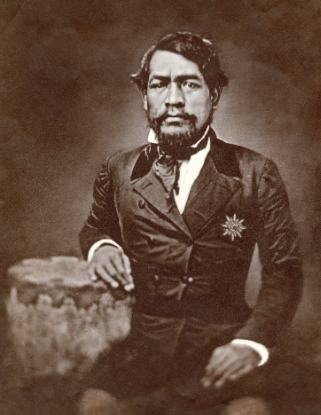
On August 31, 1850, King Kamehameha III’s declaration transformed Honolulu into the capital of the Kingdom of Hawaii. Fueled by a strategic harbor and thriving trade, this choice marked a turning point in Hawaiian history.
Recognizing Honolulu’s economic potential, King Kamehameha III harnessed its strategic harbor to establish a hub for governance and administration. This decision wasn’t just symbolic—it aligned with the island’s growing importance in global trade and interactions.
As the world was engulfed in the Civil War, Hawaii’s economy felt the ripple effects. Disrupted sugar supply heightened demand for Hawaiian sugar, reshaping the islands’ trade dynamics and economy.
The declaration of Honolulu as the capital on August 31, 1850, stands as a testament to King Kamehameha III’s foresight and the city’s role in shaping Hawaii’s narrative. It remains a landmark moment in the island’s evolution. 🏛️🌊
“Bad” Influence
August 31, 1987, a day that resonated with musical thunder. While the hip-hop world was carving its name in history, another genre’s royalty was preparing to unleash an album that would bridge gaps and redefine the landscape. Enter Michael Jackson’s “Bad,” an album that not only became an icon in pop but also subtly intertwined itself with the evolving tapestry of hip-hop.
In a time when Michael Jackson’s vocal prowess was unmatched, his album “Bad” emerged as an unparalleled force. Tracks like “The Way You Make Me Feel” and “Smooth Criminal” showcased the King of Pop’s signature grooves, but beneath the surface, a rhythmic connection to hip-hop was simmering.
Kanye West, a maestro in his own right, was among the first to embrace Jackson’s influence. His track “Good Life” featuring T-Pain sampled the iconic melody of “P.Y.T. (Pretty Young Thing)” from “Bad.” The bridge between the King of Pop and the hip-hop superstar was solidified through sonic threads, marking an unexpected yet unforgettable collaboration across genres.
Jackson’s dance moves were imitated by fans worldwide, and his impact was palpable even in the hip-hop community. Despite a backdrop of allegations, it served as a creative project that defied boundaries and birthed a new era of musical expression.
Fast-forward to today, and the legacy of “Bad” lives on. Not just as a collection of hits, but as a testament to the interconnectedness of music genres. While Michael Jackson’s “Bad” wasn’t a hip-hop album per se, its beats, rhythms, and influence seeped into the genre, earning it a place in the collective memory of hip-hop enthusiasts.🎤👑✌️

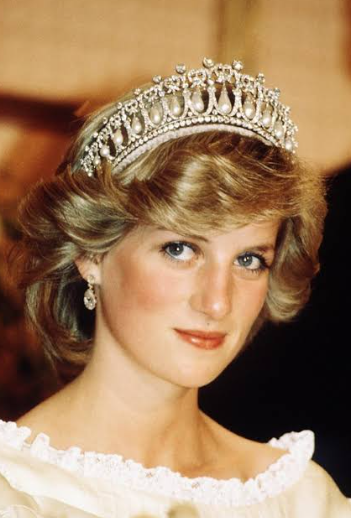
Remembering Princess Diana
Another significant event that occurred on August 31, albeit not directly related to hip-hop, is the tragic death of Princess Diana in 1997. She was a pop culture icon and humanitarian whose influence permeated various facets of society, including music. In fact, Eminem’s friend, Elton John’s tribute to her, a revised version of “Candle in the Wind,” became one of the best-selling singles of all time.
Her death had a profound impact on people globally, and the ripple effects were felt throughout the media and entertainment world, and while she may not be directly tied to the world of hip-hop, her iconic status and influence certainly have had some level of impact on the genre 🌹🎤
Gotta Give It Soul
August 31, 2004—a date that whispers, quietly inserting itself into hip-hop’s crowded calendar. As Jay-Z was fumbling with retirement papers and Kanye was busy being pre-Yeezus Kanye, De La Soul quietly unleashed “The Grind Date” upon the world.
Hailing from Long Island, De La Soul had already been etched into hip-hop as jazz-rap luminaries. But “The Grind Date” was no attempt at reclaiming lost glory or chasing viral fame. It was, simply put, a lesson in craftsmanship—a Picasso sans paint, revealing the virtuosity of charcoal strokes.
Comprising Posdnuos, Maseo, and the now dearly departed Dave (R.I.P), the album was a resolute stand against the superficiality infiltrating the genre. An incisive lyrical narrative over timeless beats, oscillating between reverential nods to the pioneers and dismissive scoffs at the transient flavors of the month.
Why dust off an album from the aughts on this particular day? Because August 31 isn’t just another tick on the calendar; it’s a recurring spotlight on milestones—musical markers in time, from Eminem’s “Kamikaze” to Travis Scott’s “Rodeo.” And just like “The Grind Date,” this seemingly unremarkable date is an unassuming powerhouse—a quiet force to be reckoned with in the clamorous universe of hip-hop.
So, here’s to August 31 and to “The Grind Date,” both subtle game-changers in a genre not known for its subtlety. Like Dave’s irreplaceable voice and impact, some things don’t need to shout to be heard. 🎤✌️
