
January 1, 1808: Charting the Course to Freedom – Abolition of the Transatlantic Slave Trade
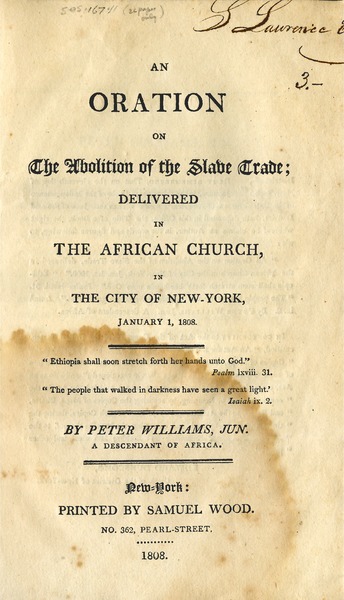
As the world celebrated the dawn of a new year on January 1, 1808, a historic proclamation resonated across the Atlantic, echoing the collective voice of nations determined to change the course of history. On this significant day, both the United States and the United Kingdom took decisive steps to abolish the transatlantic slave trade, setting in motion a series of events that would shape the fight against human bondage.
The U.S. Act Prohibiting the Importation of Slaves: In the United States, the turn of the year in 1808 marked the enforcement of the Act Prohibiting the Importation of Slaves. This landmark legislation, coming into effect on this very day, declared the importation of slaves illegal, signaling a critical shift in the nation’s stance on human trafficking and setting the stage for further emancipatory measures.
The British Abolition of the Slave Trade Act: Across the ocean, the United Kingdom had already taken a bold step toward abolition. In 1807, the Abolition of the Slave Trade Act came into force, making the slave trade illegal within the British Empire. January 1, 1808, symbolized the culmination of this legislative effort, firmly closing the chapter on the transatlantic slave trade for one of its most influential players.
Global Efforts to Suppress the Slave Trade: Following these pivotal national actions, international efforts gained momentum. The Treaty of Washington in 1867, among other agreements, brought nations together to form a united front against the scourge of the African slave trade. The Royal Navy actively patrolled the seas, intercepting slave ships and working to dismantle the networks that sustained this brutal practice.
Legacy and Continued Struggle: The events of January 1, 1808, left an indelible mark on history, signaling the world’s collective determination to dismantle the inhumane machinery of the transatlantic slave trade. While these early measures set the stage for broader international efforts, the fight against modern-day slavery and human trafficking persists, emphasizing the ongoing relevance of the lessons learned from this historic day.
Conclusion: As we commemorate January 1, 1808, let us reflect on the courage of those who stood against the tide of oppression, setting sail on a journey toward a more just and equitable world. The abolition of the transatlantic slave trade remains a beacon of hope, a testament to humanity’s capacity for change, and a reminder that the struggle for freedom is a continuous journey. Happy New Years America, Happy New Years to all.
Emancipation Proclamation: A Pivotal Decree Transforming America on January 1, 1863
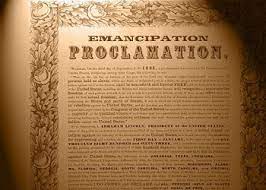
As the nation entered a new year on January 1, 1863, the echoes of change reverberated across the United States with the issuance of the Emancipation Proclamation by President Abraham Lincoln. This historic decree marked a turning point in American history, signaling the end of legal slavery and laying the groundwork for a more just and equitable society.
The Context of the Civil War: At the heart of the Civil War, President Lincoln faced the monumental challenge of preserving the Union while addressing the divisive issue of slavery. As the conflict unfolded, the moral imperative to end the institution of slavery became increasingly evident.
The Emancipation Proclamation Unveiled: On January 1, 1863, President Lincoln issued the Emancipation Proclamation, a proclamation declaring “that all persons held as slaves” within the Confederate states “are, and henceforward shall be free.” While the proclamation did not immediately free all enslaved individuals, it marked a crucial step toward the abolition of slavery.
Military and Moral Significance: The Emancipation Proclamation held dual significance—it served as both a strategic wartime measure and a moral imperative. By declaring enslaved individuals in Confederate-held territories free, it sought to weaken the Southern war effort and encourage enslaved people to seek freedom behind Union lines.
Impact and Challenges: The proclamation fundamentally altered the nature of the Civil War, transforming it into a struggle not only for Union preservation but also for the emancipation of those held in bondage. However, its impact faced challenges as it required military success to enforce, and its jurisdiction did not cover slave-holding border states loyal to the Union.
The Road to the 13th Amendment: While the Emancipation Proclamation marked a significant milestone, the journey toward complete abolition continued. It laid the groundwork for the eventual ratification of the 13th Amendment to the Constitution in 1865, officially abolishing slavery in the United States.
Legacy of Freedom: The Emancipation Proclamation left an enduring legacy, symbolizing the nation’s commitment to freedom and equality. Its issuance signaled a moral imperative that went beyond the immediate exigencies of war, shaping the trajectory of the United States towards a more inclusive future.
Conclusion: On this January 1, 2024, we reflect on the Emancipation Proclamation as a beacon of hope and a catalyst for change. While the journey towards equality continued long after its issuance, the proclamation remains a testament to the resilience of a nation striving to live up to its ideals. Happy New Years America, Happy New Years to all.
Inaugural Glory: The Genesis of the Rose Bowl on January 1, 1902
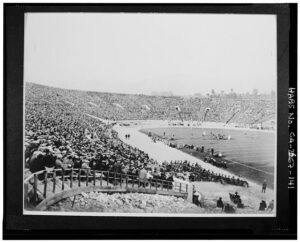
As the sun dawned on January 1, 1902, a tradition was born that would forever alter the landscape of college football—the inaugural Rose Bowl. Held in Pasadena, California, this historic event marked the beginning of a storied tradition that would become synonymous with New Year’s Day and the spirit of competition.
Origins of the Rose Bowl: The idea of a postseason football game was conceived by the Tournament of Roses Association as a means to showcase California’s pleasant winter weather. In its early years, college football was primarily an East Coast phenomenon, and the Rose Bowl aimed to attract teams from across the country to compete in a showcase event.
The Matchup: The first Rose Bowl, played on January 1, 1902, featured the University of Michigan Wolverines and the Stanford University Cardinals. Both teams, representing their respective regions, traveled to Pasadena to participate in what would become a historic clash.
The Setting: The game took place at Tournament Park, a venue adorned with roses and festivity. Unlike modern stadiums, Tournament Park had no grandstands, and spectators watched the game from the sidelines or atop temporary wooden bleachers.
Michigan Triumphs: In a hard-fought battle, Michigan emerged victorious, defeating Stanford with a score of 49-0. The dominating performance by Michigan set the stage for future Rose Bowl matchups, establishing the event as a premier postseason showcase for college football talent.
The Rose Bowl Tradition Begins: The success of the inaugural Rose Bowl laid the foundation for a cherished New Year’s Day tradition. Subsequent Rose Bowl games continued to draw attention and grow in popularity, attracting top college football teams and showcasing thrilling matchups that captivated audiences across the nation.
Evolution of the Rose Bowl: Over the decades, the Rose Bowl has evolved into one of the most prestigious and enduring events in college football. The game has become part of the College Football Playoff, hosting playoff and championship games, while still maintaining its status as a symbol of New Year’s Day festivities.
Legacy of the Rose Bowl: As we celebrate the start of another year, let us also reflect on the enduring legacy of the Rose Bowl. From its modest beginnings in 1902 to its current status as a pinnacle of college football, the Rose Bowl has stood the test of time, bringing joy and excitement to fans around the world.
Conclusion: On this January 1, 2024, we honor the roots of a timeless tradition that began with the inaugural Rose Bowl. As college football enthusiasts eagerly anticipate each New Year’s Day matchup, they continue to pay homage to the spirit of competition and camaraderie that has defined the Rose Bowl for over a century. Happy New Years America, Happy New Years to all.
Remembering a Legend: Hank Williams Sr.’s Untimely Death on January 1, 1953

On January 1, 1953, the music world suffered a profound loss with the untimely death of Hank Williams Sr., a legendary figure in country music. As the world celebrated the beginning of a new year, it also mourned the passing of a gifted songwriter and performer whose impact on the genre continues to resonate decades later.
The Early Years of Hank Williams Sr.: Born on September 17, 1923, in Mount Olive, Alabama, Hank Williams Sr. emerged as one of the most influential country musicians of his time. His soulful voice, poignant lyrics, and unique blend of honky-tonk and blues left an indelible mark on the genre.
Rise to Stardom: Hank Williams Sr. achieved rapid success with hits like “Lovesick Blues,” “Your Cheatin’ Heart,” and “I’m So Lonesome I Could Cry.” His ability to convey raw emotion through his music resonated with audiences, earning him widespread acclaim and establishing him as a country music icon.
Struggles with Health and Personal Demons: Behind the scenes, Hank Williams Sr. grappled with health issues and personal demons. Chronic back pain, exacerbated by a life of hard living, led to dependence on painkillers and alcohol. Despite the challenges, he continued to captivate audiences with his performances.
The Fateful New Year’s Day: Tragically, Hank Williams Sr.’s life was cut short on January 1, 1953, at the age of 29. He was en route to a concert in Canton, Ohio, but the journey was abruptly halted when he passed away in the early morning hours, reportedly due to heart failure exacerbated by his health struggles.
Legacy and Influence: Hank Williams Sr.’s impact on country music is immeasurable. His songwriting style and emotional delivery influenced generations of musicians, and many of his hits are considered timeless classics. Despite his relatively brief career, his legacy endures, and he posthumously received numerous accolades, including inductions into the Country Music Hall of Fame and the Songwriters Hall of Fame.
Honoring a Musical Pioneer: As we mark another January 1, let us take a moment to reflect on the life and contributions of Hank Williams Sr. His music continues to be a source of inspiration and comfort for fans worldwide, a testament to the enduring power of his artistry. In remembering this legendary figure, we celebrate not only his contributions to country music but also the indomitable spirit that characterized his all-too-brief life.
Conclusion: On this day, we pay homage to Hank Williams Sr., a true pioneer whose influence transcends time. While his physical presence may have left this world on a January 1 in 1953, his music lives on, eternally weaving its way into the fabric of American country music. Happy New Years America, Happy New Years to all.
Navigating Trade: The Impact of NAFTA’s Inception on January 1, 1994
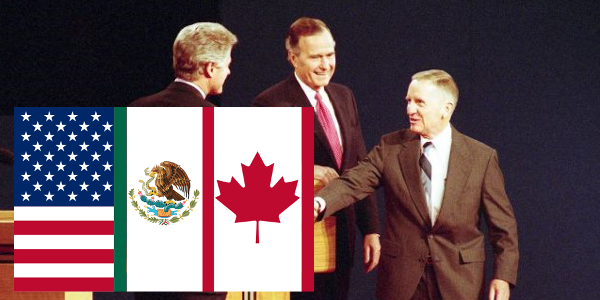
As the world entered the dawn of 1994, a historic event unfolded, shaping the economic landscape of North America – the official inception of the North American Free Trade Agreement (NAFTA) on January 1. This groundbreaking agreement, involving the United States, Canada, and Mexico, marked a significant milestone in regional trade relations.
Origins of NAFTA: Born out of a vision to foster economic cooperation and reduce trade barriers among its member nations, NAFTA aimed to create a free trade zone in North America. Negotiations began in the late 1980s, and the agreement was signed into existence on December 17, 1992.
Economic Integration: One of the primary objectives of NAFTA was to promote economic integration among the participating countries. By eliminating tariffs on various goods and facilitating the movement of goods and services across borders, the agreement sought to boost economic growth and enhance the competitiveness of North American industries on the global stage.
Impact on Trade: Since its implementation, NAFTA has significantly influenced trade patterns in North America. The removal of trade barriers led to a surge in cross-border commerce, as companies seized new opportunities for expansion and collaboration. The agreement stimulated economic growth, contributing to the development of robust supply chains and interconnected markets.
Controversies and Challenges: While NAFTA brought about economic benefits, it also faced criticism and controversies. Some argued that the agreement contributed to job displacement and income inequality in certain sectors. Environmental concerns were also raised, prompting discussions on the need for sustainable practices in the pursuit of economic development.
Evolution into USMCA: In 2020, NAFTA underwent a transformation with the ratification of the United States-Mexico-Canada Agreement (USMCA), which modernized and replaced the original agreement. The USMCA addressed some of the concerns raised over the years and aimed to further enhance North American trade relations in the 21st century.
Legacy of NAFTA: As we reflect on the journey from NAFTA’s inception in 1994 to the evolution into the USMCA, it’s evident that the agreement has played a pivotal role in shaping regional economic dynamics. The legacy of NAFTA lies in its ability to foster collaboration, albeit with challenges, and pave the way for a new era of trade relations in North America.
Conclusion: On this January 1, 2024, we commemorate the lasting impact of NAFTA on the economic history of North America. The agreement not only facilitated trade but also sparked crucial discussions on the balance between economic growth, social considerations, and environmental sustainability. As the region continues to navigate the complexities of global commerce, the legacy of NAFTA remains ingrained in the fabric of North American trade relations. Happy New Years America, Happy New Years to all.
The Dawn of OWN: Celebrating Oprah’s Television Legacy

As the world ushered in the new millennium on January 1, 2011, a groundbreaking moment unfolded in the realm of television – the official debut of the Oprah Winfrey Network (OWN). Created by the indomitable media mogul Oprah Winfrey in collaboration with Discovery, Inc., OWN marked a new chapter in the world of cable television.
A Vision Unveiled: Oprah’s vision for OWN went beyond the confines of traditional television. Having already left an indelible mark on daytime TV with “The Oprah Winfrey Show,” she aimed to provide a platform that focused on personal development, self-discovery, and authentic storytelling.
Programming with Purpose: OWN’s programming was meticulously curated to uplift, entertain, and empower. From thought-provoking interviews to compelling documentaries and scripted dramas like “Queen Sugar” and “Greenleaf,” the network quickly became a haven for those seeking meaningful content.
Signature Shows: The network featured a lineup of signature shows that captivated audiences. “Oprah’s Master Class” delved into the life stories and wisdom of accomplished individuals, while “Super Soul Sunday” provided a spiritual and introspective touch.
Impact and Influence: Over the past decade plus, OWN played a pivotal role in shaping the landscape of cable television. It provided a platform for voices and stories that might have otherwise gone unheard, fostering discussions on social issues, personal growth, and cultural awareness.
Oprah’s Continued Presence: While OWN grew into its own entity, Oprah’s presence remained integral to its success. Her occasional interviews and involvement in various shows continued to draw viewers and maintain the network’s connection to its roots.
Conclusion: The debut of OWN on January 1, 2011, was not just the launch of a network but the realization of Oprah’s commitment to providing a platform for impactful content. As we reflect on a decade of OWN, we recognize the network’s ability to shape conversations, inspire change, and, most importantly, connect with audiences on a profound level. Here’s to the history of OWN, and to the many years of impactful storytelling! Happy New Years America, Happy New Years to all.
Countdown to the New Millennium: Navigating the Y2K Challenge

As the world eagerly counted down to the turn of the millennium on December 31, 1999, there was a palpable sense of excitement and, for some, a hint of trepidation. The anticipation of a new century and a new millennium was accompanied by concerns about the Y2K bug—a digital quirk that loomed large over the global landscape.
The Y2K Challenge: The Y2K bug, or the Year 2000 problem, centered around the use of two-digit year codes in computer systems. As the clock struck midnight on December 31, 1999, there were fears that computers and software might misinterpret the year 2000 as 1900, potentially causing widespread malfunctions and disruptions.
Global Preparations: In the years leading up to the new millennium, a massive and coordinated effort unfolded worldwide to address the Y2K challenge. Governments, businesses, and individuals engaged in meticulous testing, debugging, and updating of computer systems to ensure they could seamlessly transition to the year 2000.
The Countdown Moment: As the world collectively watched the clock ticking towards midnight on December 31, 1999, there was a mix of celebration and cautious optimism. The symbolic transition to a new millennium was marked by grand festivities, fireworks, and the iconic New Year’s Eve ball drop in Times Square.
Smooth Passage to 2000: The anxieties surrounding the Y2K bug were met with relief as the clocks rolled over to the year 2000 without the widespread disruptions that had been feared. The careful preparations undertaken globally proved effective, and the transition to the new millennium was, for the most part, smooth.
Legacy of Y2K: While the Y2K bug did not lead to the doomsday scenarios some had predicted, the event had a lasting impact. It highlighted the interconnectedness of the modern world and the importance of proactive measures in addressing potential technological challenges.
Conclusion: The countdown to the year 2000 was not just a celebration of a new millennium but a testament to human ingenuity and collaboration. As the world collectively navigated the Y2K challenge, it underscored the capacity of global communities to come together, adapt, and overcome challenges in the face of technological uncertainty. The new millennium dawned with a sense of accomplishment and the promise of a future shaped by the lessons learned from the countdown to Y2K. Happy New Years America, Happy New Years to all.
A Timeless Tradition: Inaugurating the New Year in Times Square
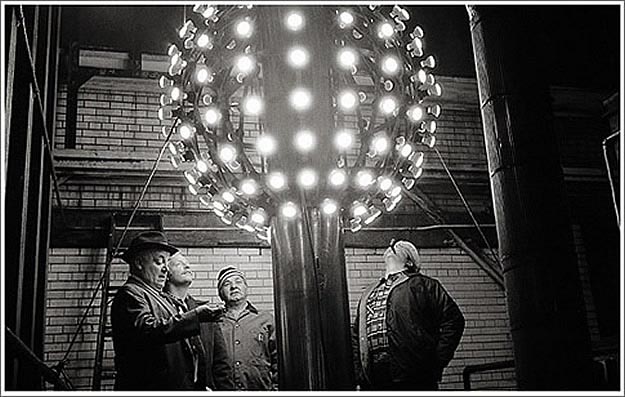
On the night of December 31, 1904, the streets of New York City witnessed a historic moment that would evolve into an iconic annual celebration—the first New Year’s Eve celebration in Times Square. Little did revelers know that this event would mark the beginning of a tradition that transcends time, welcoming each new year with unparalleled enthusiasm and energy.
The Birth of a Tradition: As the 19th century gave way to the 20th, Adolph Ochs, the owner of The New York Times, sought a spectacular way to celebrate the newspaper’s new headquarters in Times Square. The result was a groundbreaking public celebration, culminating in the lowering of a dazzling, electrically lit ball at midnight.
The Electrically Lit Ball: The concept of the New Year’s Eve ball drop was a fusion of innovation and spectacle. The first ball, measuring 5 feet in diameter and adorned with 100 light bulbs, descended from a flagpole on top of One Times Square, captivating the crowd below. This electrifying tradition became an instant sensation.
Growth and Evolution: Over the decades, the Times Square New Year’s Eve celebration grew in scale and popularity. The ball itself underwent numerous transformations, reflecting advancements in technology and design. What began as a local event quickly transformed into a global symbol of unity and hope.
Reflections on a Century of Celebrations: As we approach each New Year’s Eve in Times Square, it’s an opportunity to reflect on the enduring appeal of this tradition. The vibrant energy, the sea of confetti, and the universal sense of anticipation create an atmosphere that resonates with people worldwide, symbolizing the collective optimism for the year ahead.
Adaptations and Resilience: Throughout the years, the Times Square celebration has adapted to the changing times. It has endured through historical events, from wartime restrictions to the challenges of the digital age, emerging each time with renewed vigor and resilience.
Conclusion: The first New Year’s Eve celebration in Times Square on December 31, 1904, laid the foundation for a timeless tradition that continues to unite people from all walks of life. As we countdown to midnight each year, surrounded by the dazzling lights and the exuberant crowd, we celebrate not just the passing of time but the enduring spirit of hope and togetherness that defines the human experience.
The Eve of Destiny: The Battle of Quebec (1775)
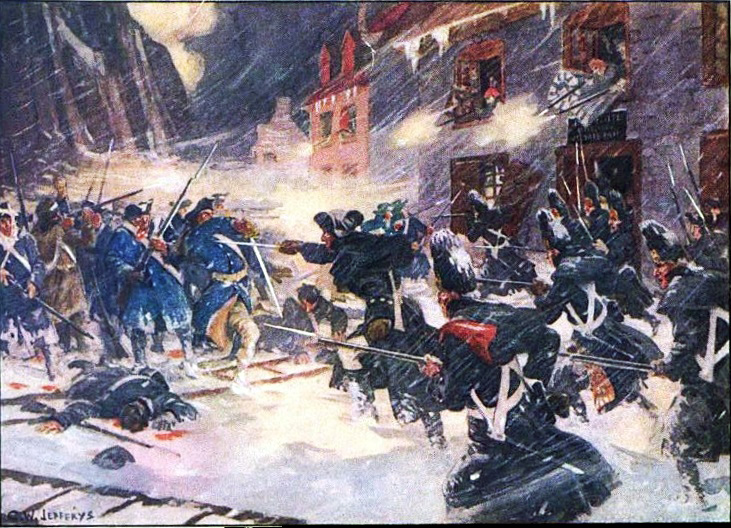
On the night of December 31, 1775, amid the harsh winter of the American Revolutionary War, a pivotal and daring assault unfolded—the Battle of Quebec. This historical engagement would test the resolve of the American forces and leave an indelible mark on the struggle for independence.
The American Campaign in Canada: As the American Revolutionary War raged, the Continental Army, under generals Benedict Arnold and Richard Montgomery, sought to expand their campaign into Canada. Their objective was to convince the French-speaking Canadians to join the cause of independence while securing a crucial northern front.
The Siege and Assault: The siege of Quebec had been ongoing, and on the final day of 1775, American forces launched a daring nighttime assault. The plan involved a two-pronged attack, with Arnold leading a diversionary assault and Montgomery leading the main force towards the lower town of Quebec.
Fate on the Plains of Abraham: Despite the audacity of the plan, the Battle of Quebec proved challenging for the American forces. Tragically, General Montgomery was killed, and Arnold’s forces faced staunch resistance. The outcome was a decisive victory for the British, solidifying their control over Quebec and thwarting the American attempt to capture the city.
Impact on the Revolutionary War: The Battle of Quebec had significant implications for the American Revolutionary War. The defeat underscored the challenges faced by the Continental Army in securing Canadian support and highlighted the formidable nature of British defenses.
Legacy and Historical Reflection: As we mark the anniversary of the Battle of Quebec on December 31, 1775, it serves as a poignant reminder of the sacrifices made and the challenges faced during the quest for American independence. The bravery of those who participated in this daring assault, though met with defeat, laid the groundwork for future struggles and victories on the road to freedom.
Conclusion: The Battle of Quebec on December 31, 1775, stands as a crucial episode in the larger narrative of the American Revolutionary War. As we reflect on this historic event, we recognize the resilience of those who fought for independence, even in the face of adversity, and appreciate the complexities of the struggle for freedom in the early days of the United States.
A Sovereign Transition: Panama Assumes Control of the Panama Canal
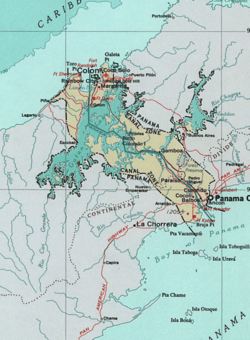
December 31, 1999, marked a historic moment in the realm of international diplomacy as the United States officially handed over control of the Panama Canal to the Republic of Panama. This symbolic and strategic transition culminated in the fulfillment of the Torrijos-Carter Treaties signed in 1977, signaling Panama’s assertion of sovereignty over a vital global waterway.
The Torrijos-Carter Treaties: In 1977, Panamanian leader Omar Torrijos and U.S. President Jimmy Carter signed the Torrijos-Carter Treaties, outlining the gradual transfer of control of the Panama Canal from the United States to Panama. The treaties set the stage for the eventual handover of one of the world’s most crucial maritime passages.
End of U.S. Control: The transfer of the Panama Canal on December 31, 1999, marked the conclusion of decades of U.S. control over the strategic waterway. The canal, which connects the Atlantic and Pacific Oceans, had been under U.S. administration since its completion in 1914.
Sovereignty and Global Significance: The handover represented more than a simple transfer of infrastructure; it symbolized Panama’s sovereignty and the end of a chapter of geopolitical tensions. The Panama Canal’s strategic importance in global trade and navigation made this transition a focal point in international relations.
Panama’s Role as a Global Maritime Hub: With control of the canal firmly in its hands, Panama assumed a central role in global maritime affairs. The country invested in canal infrastructure and modernization, solidifying its position as a key player in facilitating international trade and shipping.
Legacy and Reflection: As we commemorate the transfer of the Panama Canal on December 31, 1999, it’s an opportune moment to reflect on the significance of this event in the context of international relations. The peaceful transfer of such a critical asset stands as a testament to the power of diplomacy and cooperation between nations.
Conclusion: The handover of the Panama Canal on December 31, 1999, was a milestone in the history of international diplomacy. As we look back, let’s appreciate the significance of this transition, acknowledging Panama’s role in managing a vital global waterway and fostering cooperation among nations.
Illuminating the World: Thomas Edison’s Public Demonstration of the Electric Light
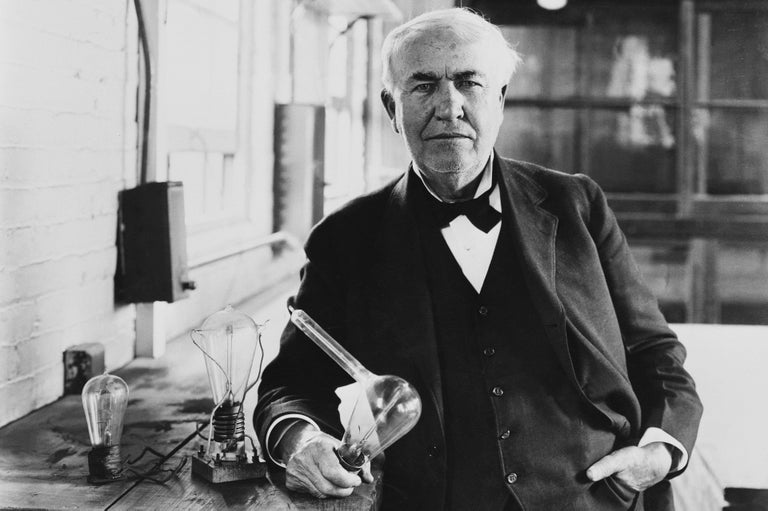
December 31, 1879, marks a historic moment that forever changed the way we live—the day Thomas Edison unveiled his revolutionary invention to the public. In a mesmerizing demonstration held in Menlo Park, New Jersey, Edison showcased the electric light bulb, a creation that would transform darkness into illumination and pave the way for the electrified world we know today.
The Menlo Park Demonstration: On that fateful day, Thomas Edison invited the public to witness the magic of his electric light bulb. The demonstration not only illuminated the room but also illuminated minds, sparking a new era of innovation and progress.
The Birth of Electric Lighting: Edison’s electric light bulb was a breakthrough in technology, providing a reliable and practical alternative to gas and oil lamps. This invention marked the beginning of widespread electric lighting, fundamentally altering the way people lived and worked.
Impact on Society: The widespread adoption of electric lighting had profound effects on society. It extended the productive hours of the day, transformed urban landscapes, and made nighttime activities safer and more accessible. The electric light became a symbol of progress and modernity.
Edison’s Legacy: Thomas Edison’s contributions to the field of electricity and lighting extended beyond the invention of the light bulb. His work laid the foundation for the development of the electrical power industry, contributing to the electrification of homes, businesses, and cities around the world.
The Journey to Brighter Tomorrows: As we bask in the glow of artificial lights on this New Year’s Eve, let’s take a moment to appreciate the visionary brilliance of Thomas Edison. The electric light bulb, first publicly demonstrated on December 31, 1879, not only dispelled the darkness of the night but also illuminated the path to a future filled with possibilities.
Conclusion: Thomas Edison’s public demonstration of the electric light on December 31, 1879, marked a pivotal moment in human history. As we celebrate the arrival of a new year, let’s acknowledge the profound impact of Edison’s invention, which continues to brighten our lives and symbolize the triumph of innovation over darkness.
A 9,000-Year Lease and the Birth of Guinness: Arthur Guinness’ Historic Commitment

On December 31, 1759, a small but significant event unfolded in Dublin that would eventually lead to the creation of one of the world’s most iconic beverages—Guinness. Arthur Guinness, a visionary entrepreneur, signed a lease for the St. James’s Gate Brewery that spanned an astonishing 9,000 years, laying the foundation for the enduring legacy of the Guinness brand.
The Lease and St. James’s Gate Brewery: In a move that defied conventional business practices, Arthur Guinness secured a 9,000-year lease for the St. James’s Gate Brewery. This strategic decision not only demonstrated his confidence in the potential of the brewery but also set the stage for the development of a brewing empire.
Guinness: From Humble Beginnings to Global Icon: The brewery, situated at St. James’s Gate in Dublin, quickly became synonymous with the production of the famed dark stout that would later be known as Guinness. The unique brewing methods and commitment to quality turned a local beer into a global phenomenon, appreciated for its distinctive flavor and rich heritage.
Arthur Guinness’ Vision: Arthur Guinness’ vision extended beyond creating a successful business; he aimed to establish a legacy that would endure for millennia. The 9,000-year lease was a symbolic gesture of his dedication to the brewery and a testament to his belief in the longevity of his craft.
Global Impact and Cultural Significance: Over the centuries, Guinness has become more than just a beverage; it has become an integral part of Irish culture and a global symbol. The brewery’s commitment to quality, innovation, and community has contributed to its lasting impact on the brewing industry.
Conclusion: As we raise our glasses to welcome the new year, it’s worth remembering the audacious commitment made by Arthur Guinness on December 31, 1759. The 9,000-year lease not only laid the groundwork for the success of the St. James’s Gate Brewery but also ensured that the legacy of Guinness would endure for generations to come, making it a cherished part of our shared cultural heritage.